Project Overview
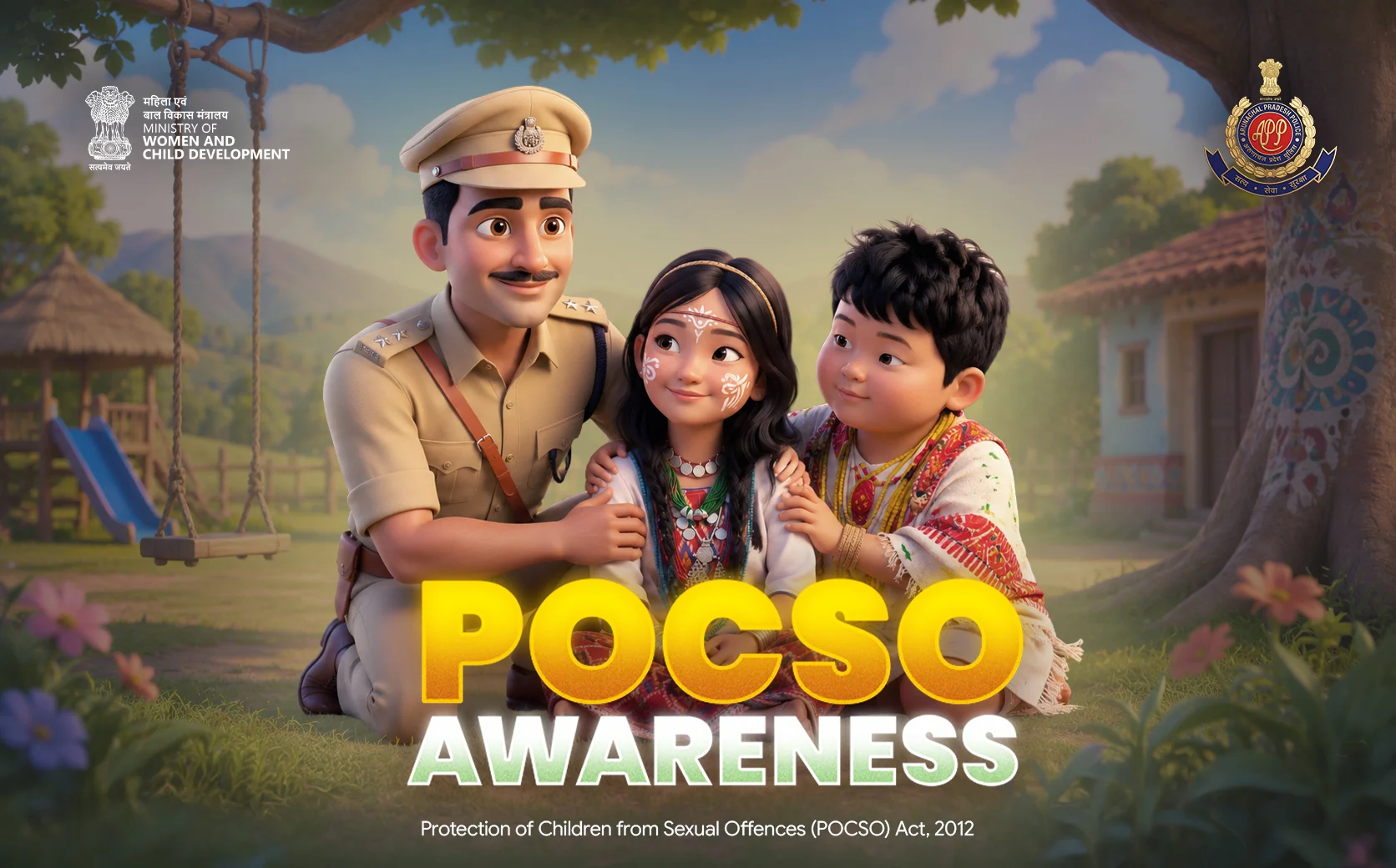
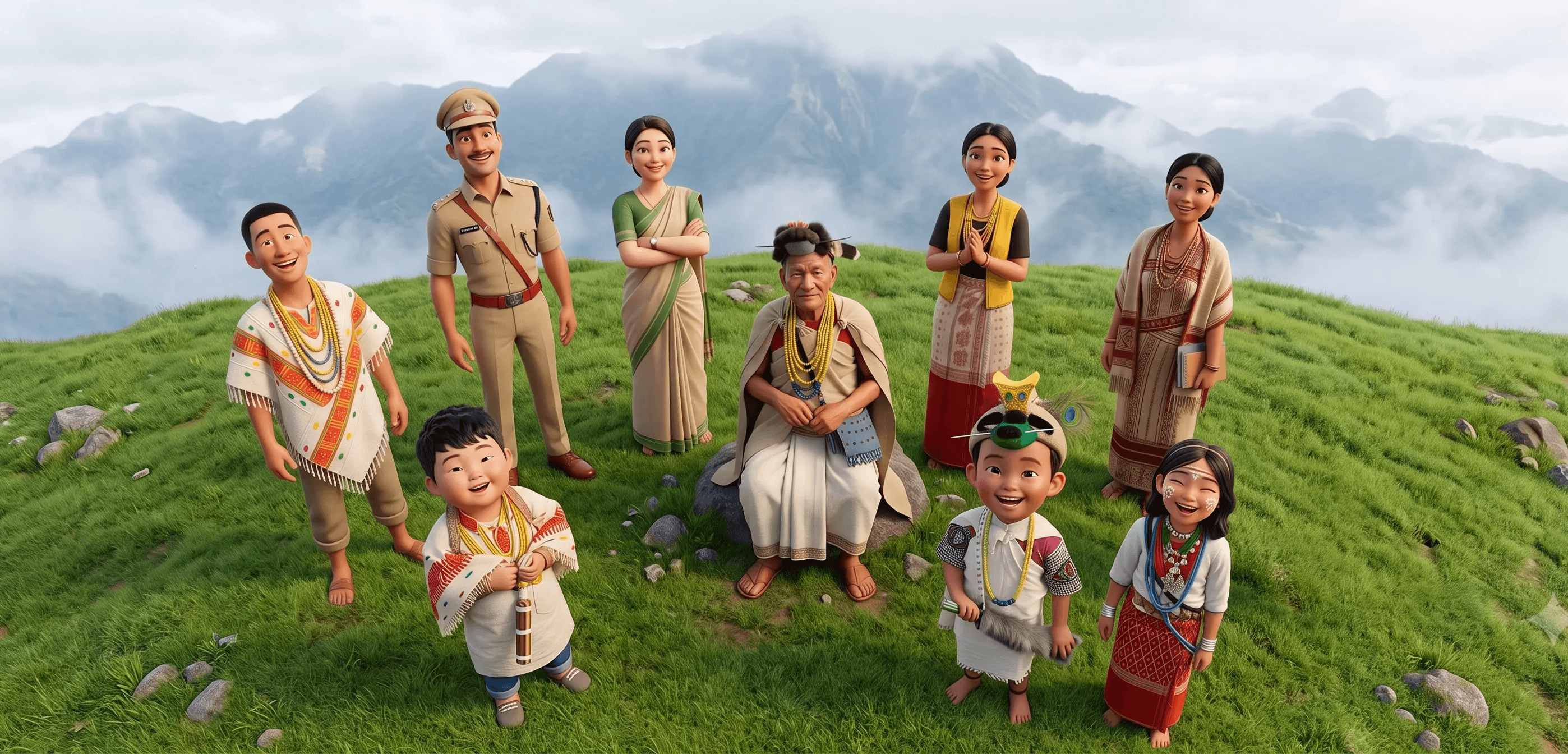
A fully AI-generated animated awareness film on the POCSO Act, created for the Department of Women & Child Development, Government of Arunachal Pradesh. Built specifically for tribal audiences through authentic Arunachali characters, attire, and cultural detail, the film follows a child and her family through recognising unsafe behaviour, confiding in a trusted adult, and reaching a calm, empowering resolution. The entire production, from concept and character design through animation, voice, sound, and final edit, was completed in 5 business days by a single creator.
Challenege
The brief called for an animated awareness film that would genuinely connect with tribal communities, not a generic explainer with a few regional substitutions. Conventional studios usually treat cultural detail as a costly add-on, and require many weeks to produce it. The real challenge was delivering both extreme speed and uncompromising cultural authenticity, attire, face markings, architecture, character identity, at once.
Idea
Rather than localising a stock video, the story was built around a specific Arunachali family: a child, her parents, a schoolteacher, and a village elder, so the film would feel like it belonged to the community, not delivered to it. The arc was shaped around recognition, trust, and resolution, a child noticing unsafe behaviour, confiding in a trusted adult, the school stepping in, and a calm, empowering path to reporting. The bet was that a disciplined, fully AI-native pipeline could match a traditional studio's depth.
Execution
Production ran as a single-creator pipeline across pre-production, generation, and post, using specialist AI tools for distinct roles. AI generated Animation across 20-plus scenes, ElevenLabs for voice, finished in Industry grade softwares. The hardest problem was holding character identity, faces, attire, beadwork, consistent across dozens of independently generated scenes.

Cultural Research
A fully AI-generated animated awareness film on the POCSO Act, created for the Department of Women & Child Development, Government of Arunachal Pradesh. Built specifically for tribal audiences through authentic Arunachali characters, attire, and cultural detail, the film follows a child and her family through recognising unsafe behaviour, confiding in a trusted adult, and reaching a calm, empowering resolution. The entire production, from concept and character design through animation, voice, sound, and final edit, was completed in 5 business days by a single creator.
Niyishi Tribe
The Nyishi are one of the largest indigenous tribes of Arunachal Pradesh, with a strong presence across districts including Papum Pare, Kra Daadi, Kurung Kumey, and parts of the capital region around Itanagar. Known for their distinct textile traditions, adornment, and community-centered way of life, the Nyishi carry a rich visual and cultural identity that made them a natural anchor for a campaign meant to feel personal and recognizable to the communities it serves. Choosing this specific tribal identity, rather than a generalized or invented one, was central to making the campaign's characters feel real rather than symbolic.
Why Cultural Grounding Mattered?
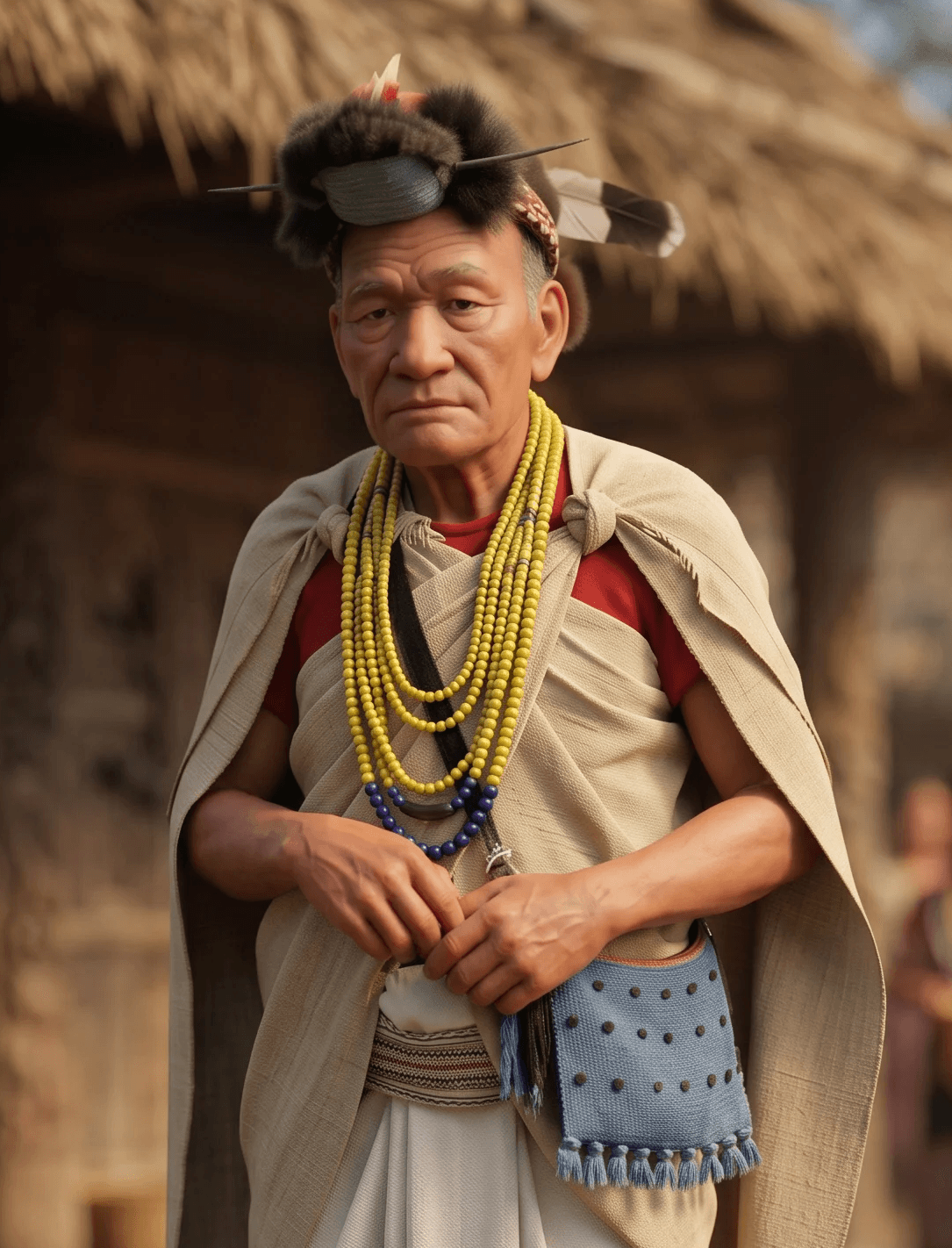
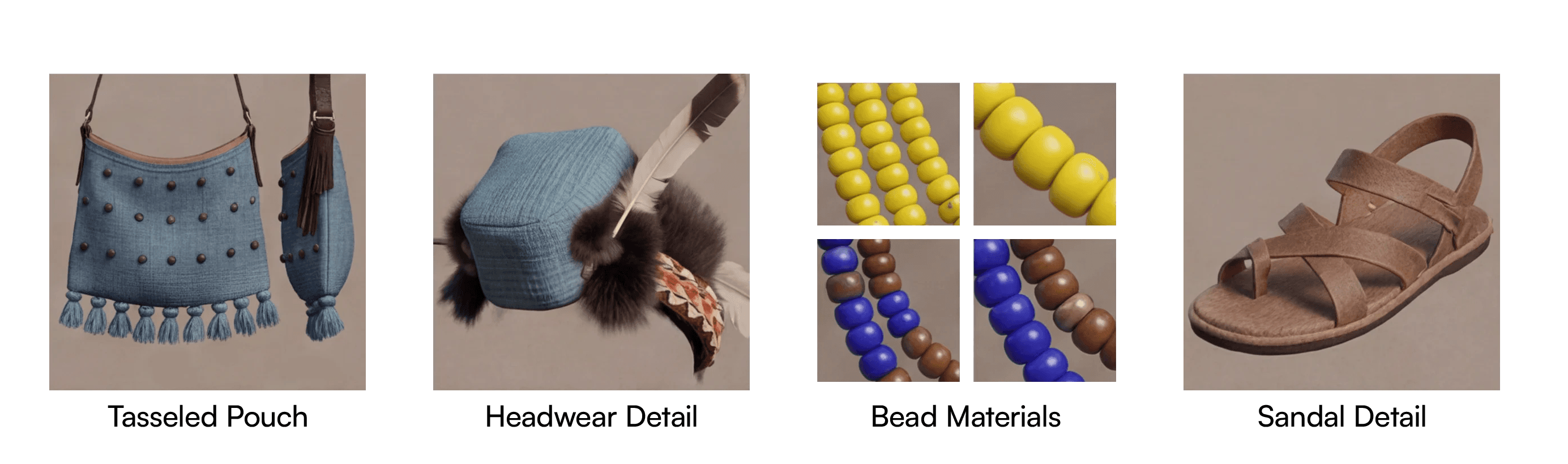
This campaign speaks directly to children and families on a subject that demands trust, not just attention. Generic or stereotyped representation would have undermined that trust immediately, especially for a subject as sensitive as child protection. Every visual choice, from attire to adornment to expression, was treated as a matter of accuracy and respect rather than aesthetic decoration. The goal was for Nyishi audiences specifically, and Arunachali audiences more broadly, to see themselves reflected honestly on screen, so the campaign's message would land as something made for them, not merely about them.




CHARACTER SKETCH
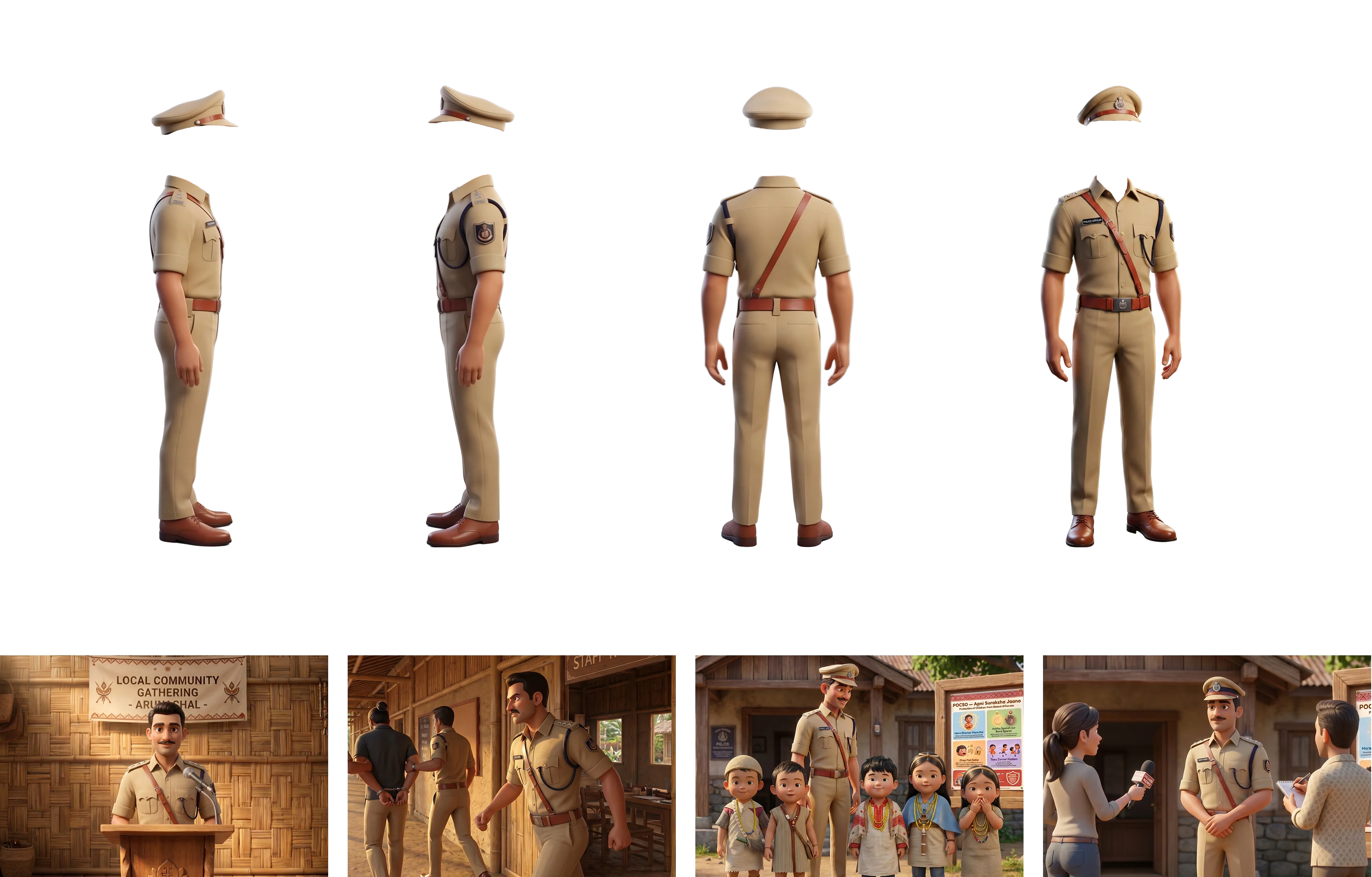
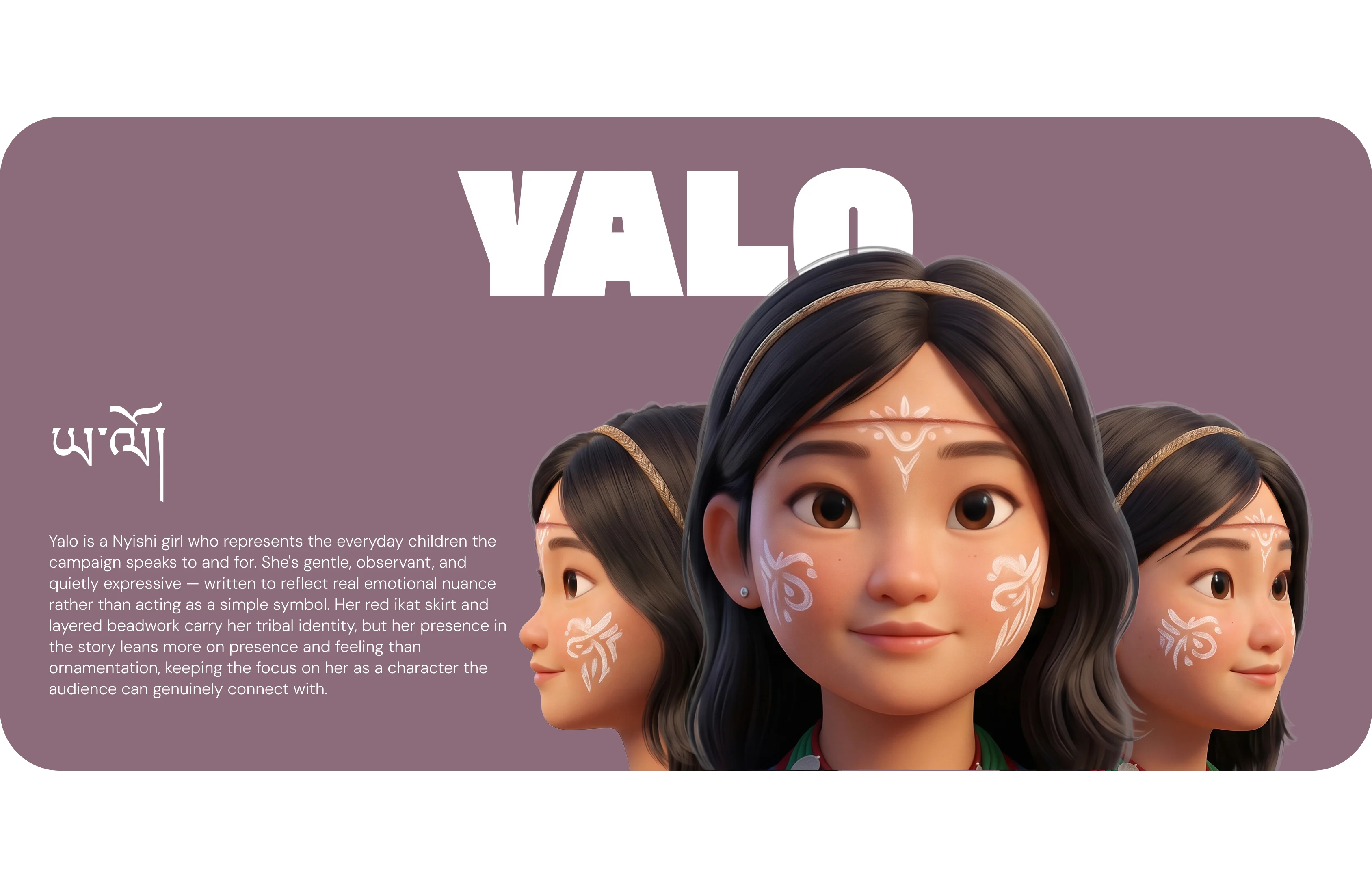
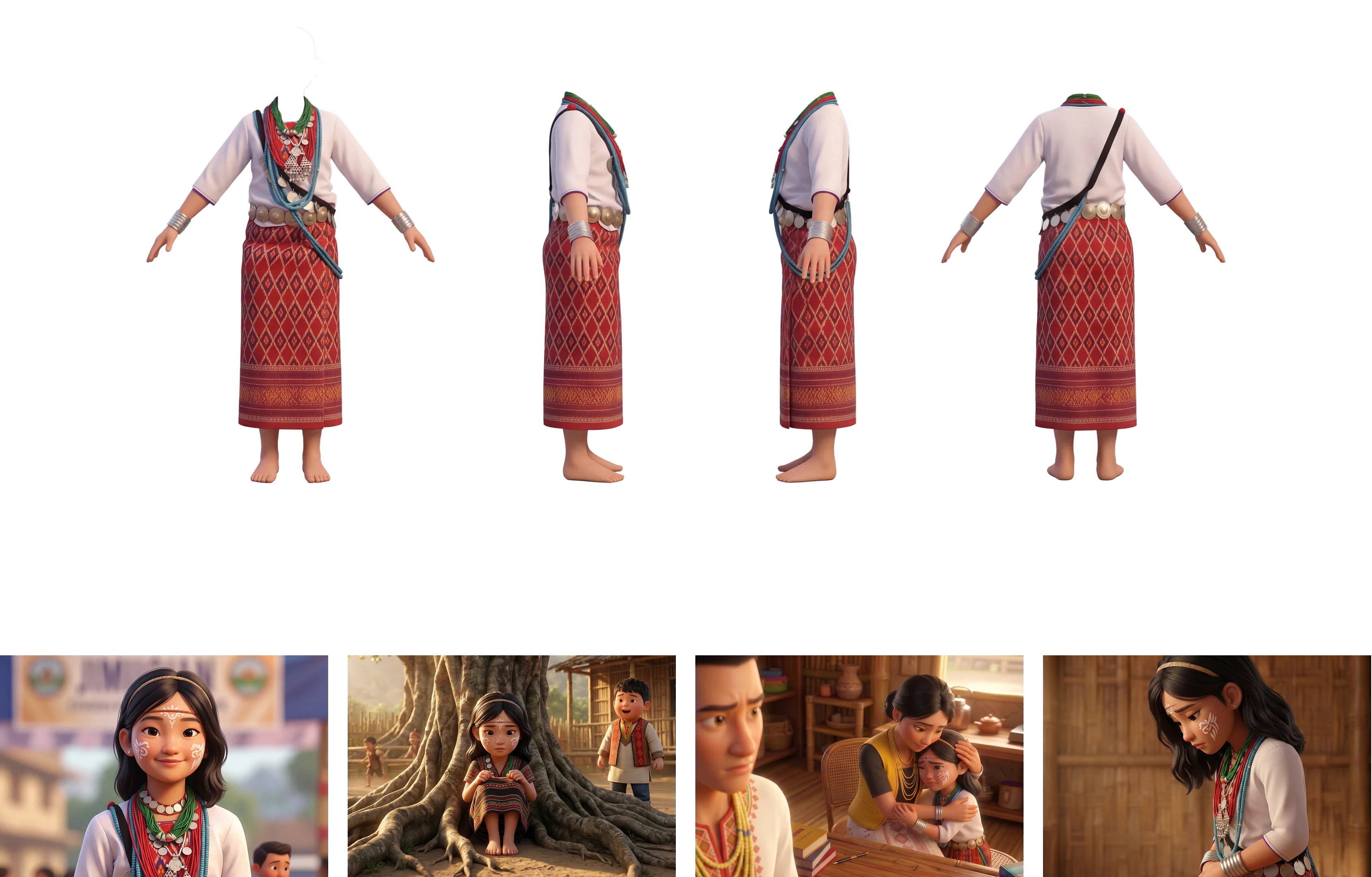
Every character in Project (Project name under NDA) was built with intention, designed not just to appear on screen but to carry the emotional weight and cultural authenticity the campaign demanded. From initial sketches to fully realized AI-generated designs, each character went through a process of visual development, attire detailing, and personality definition, ensuring consistency across every episode and every generated shot. The three central figures, Rutum, Officer Tani, and Yalo, each represent a distinct role within the story: community, protection, and the child's perspective at the heart of the campaign's message. Together, they form the visual and emotional core of Project Abhaya, and two of them have since grown beyond the film to become the lasting face of the campaign itself.